DocNomadsPlus student Astrid: „You have to be curious about life“
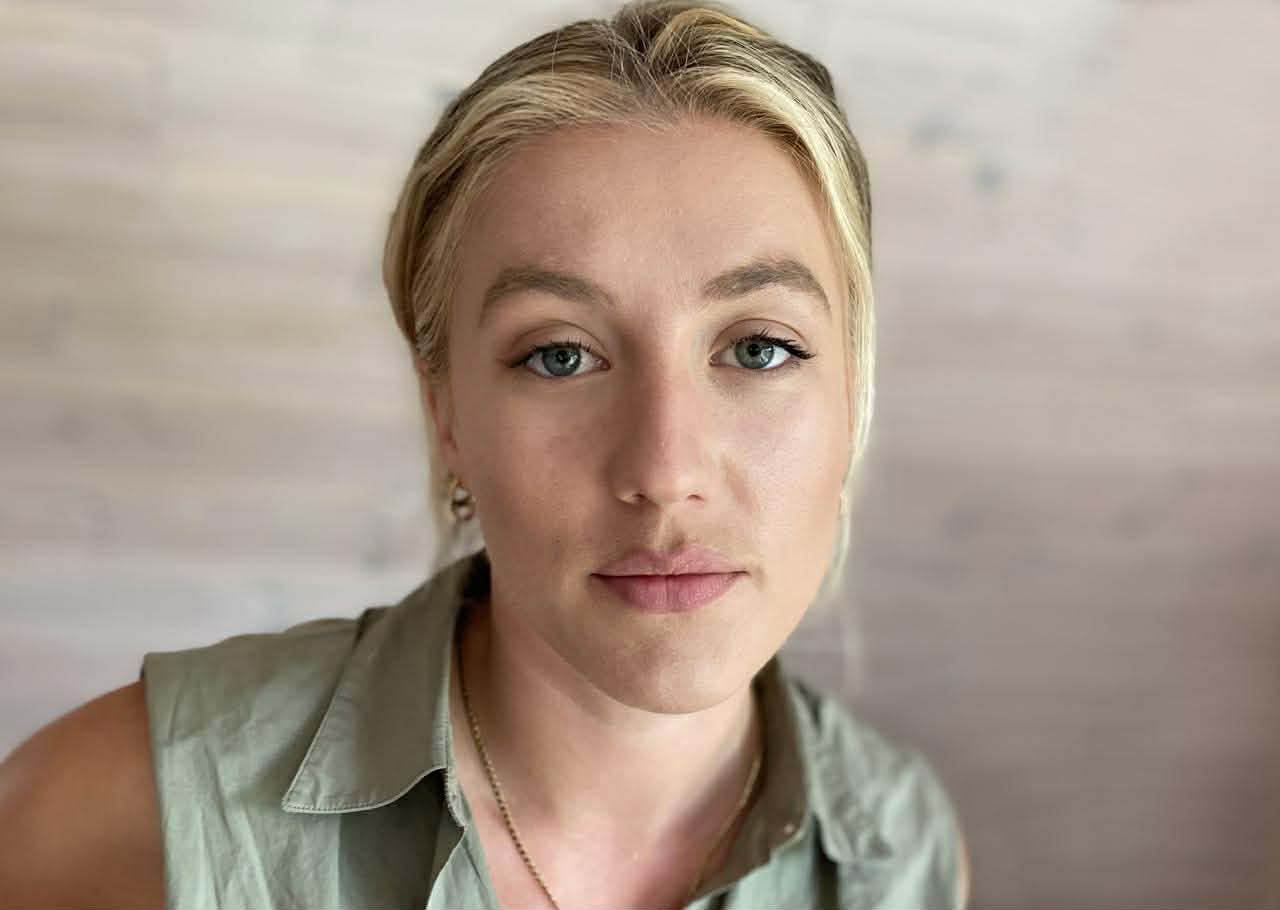
Astrid Felicia comes from Norway—a Northern Norwegian city that is no stranger to darkness, wind and dropping temperatures. Also Peer Gynt, trolls, Freikenstulen, and magnificent mountain views. A land now experiencing a kind of cinematic wave, led by Oscar-nominated director Joachim Trier.
But now, as a DocNomads Plus, an Erasmus Mundus joint master student, Astrid is trying to find stories in Vilnius. Together with her peers at DocNomads Plus, they are in the phase of searching for documentary characters. How she feels in Vilnius and studying in KIMO – as asked and written down by Kismar Rosin, an intern from Estonia.
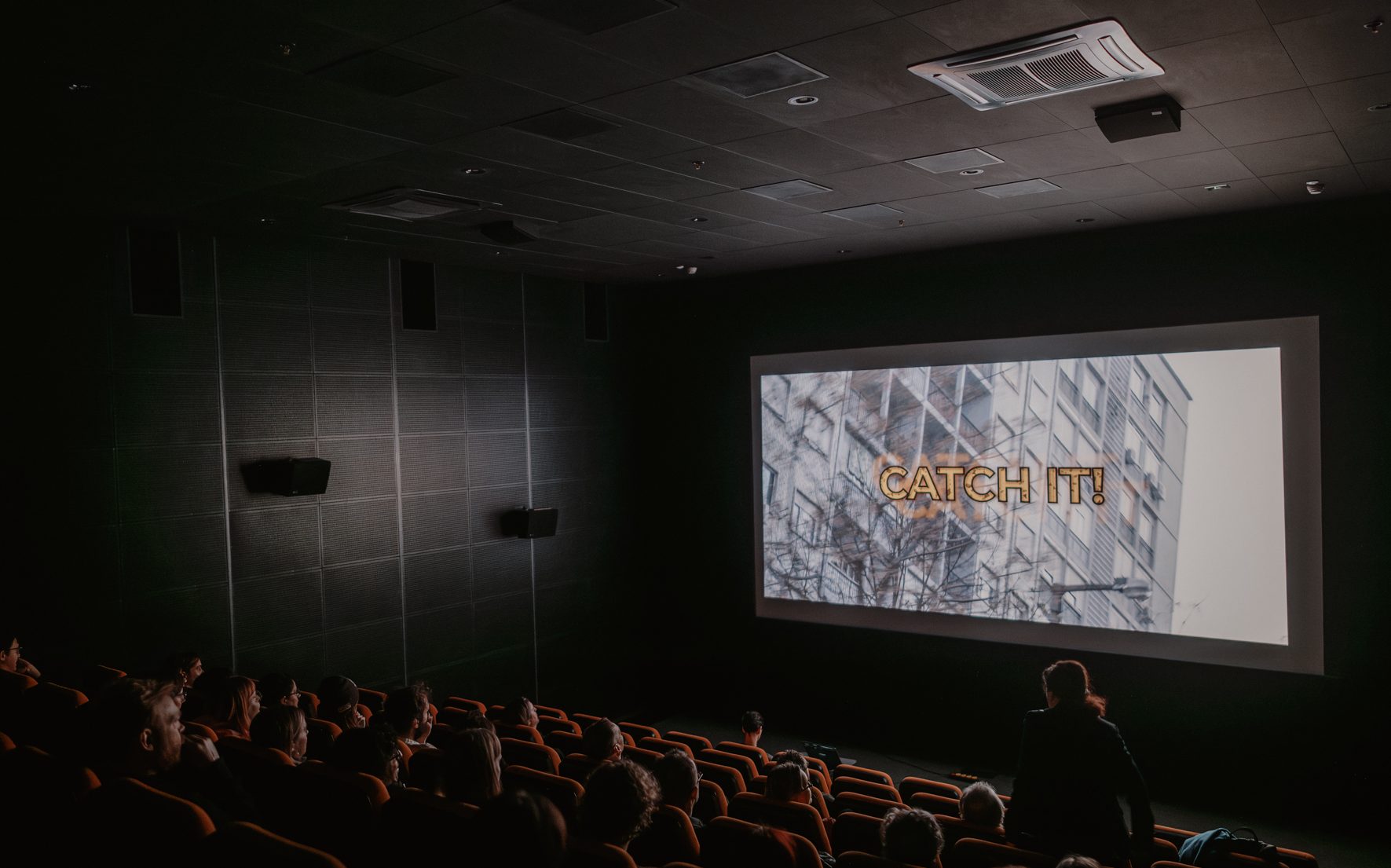
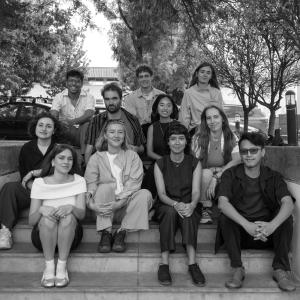
The sun sets quietly on the stairs of the National Lithuanian Film School. Artsy theatre students share rolled tobacco, inspiration, youth, and potential. In Vilnius, where church bells toll, you can hear silence in the parks near Užupis. The city plays with green, brown, and reddish tones.
When Astrid tries to find a metaphor for Vilnius, she pauses, then says: pickles.
“They keep you nourished through the winter, and honestly, I’ve never had so many good pickles as I’ve had here,” she adds.
Thanks to the National Film School (KIMO), Astrid and her mates have seen many Lithuanian films. They are also taking a course on Baltic poetic cinema.
It has been a revelation for her—she hadn’t seen any Lithuanian films before. Before DocNomads, she completed an arts degree.
So how does Norwegian cinema compare to Lithuanian cinema?
“It’s quite recent that Norway has produced films reaching an international audience. In many ways, Norway has been the Scandinavian underdog in filmmaking. Historically, there hasn’t been the same level of commitment to cinema as in Lithuania.”
“There’s a kind of coded poetry in Lithuanian films. Norwegian films tend to be more direct—sometimes even a bit on the nose. Of course, that comes from a completely different historical context.”
“Less poetic—well, until recently. Now they’re actually pretty good.”
Moving countries every six months can feel unsettling, like you never quite reach beneath the surface of a culture. If you stay in one place, after two years you might reach a certain depth—but being an outsider is always limiting, she notes.
“I think you can do it a few times, but maybe you don’t want to work like this forever.”
What does she think of Lithuanians?
“I think they’re quite quirky.”
Quirky?
“In the sense that they are very in touch with their roots. As part of my research, I’ve been exploring Lithuanian paganism. I think I’ve been seeking out unusual corners of society.”
There is a strong connection to cultural history and pre-Christian faith.
Curious, she attended several events.
Astrid experienced Užgavėnės, an ancient celebration where people wear masks and burn a figure called More, marking the end of winter and the arrival of spring.
“Where I’m from, we’ve mostly lost touch with many of these pre-Christian traditions, so I’ve really appreciated taking part in them here,” she explains.
She also attended folk singing concerts and the spring equinox celebrations with Romuva.
But what’s fascinating is not just studying in different places—it’s that the students themselves come from all over the world, bringing diverse perspectives.
“Yeah, I think it’s great. You’re constantly challenged by your peers. The discussions are much richer, shaped by very different points of view compared to my previous degree.”
What kind of person should apply to become a documentary nomad and join DocNomadsPlus programme?
“You have to be curious about life. If you’re not curious, you won’t get much out of it.”
“Very soon after arriving, you realize you are your own driving force. The only way to find inspiration and meet people is to immerse yourself in society—without judgment and with an open heart. You have to be ready to step out of your comfort zone.”
“And I think it helps to be independent—and to have a bit of baggage.”
A bit of baggage?
“Life experience. I would recommend waiting with the course until you’ve lived a little outside educational institutions.”
What about the silence of Vilnius—what does it say?
“The silence perhaps represents resilience.”
Lithuanians have a turbulent history, yet there is a sense of strength and unity.
After answering, Astrid rushes off to her lectures. Another day begins—searching for stories. Characters. Moments. Life. Meaning. Trying to capture all of this essence on camera.
More about an Erasmus Mundus Joint Master in Documentary Filmmaking read here.